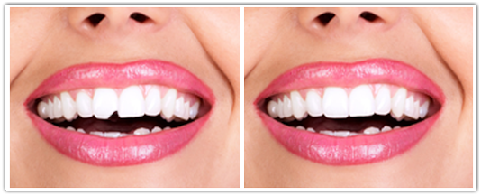


Many people have heard that they should visit the dentist every six months, but that recommendation is not right for everyone. Some patients do well with visits twice a year, while others need more frequent care because of their cavity risk, gum health, medications, diet, dry mouth, or dental history.
The real purpose of regular visits is not simply to clean your teeth on a schedule. Preventive care lets your dentist identify early changes before they progress into cavities, gum disease, or more complex problems, so the right frequency should be based on your individual oral health rather than a one size fits all rule.
At Crystal Dental, we believe preventive dentistry works best when care is personalized. For patients throughout Downtown Los Angeles, Koreatown, and Mid-Wilshire, the goal is to create a schedule that helps maintain healthy teeth and gums, identify problems early, and preserve natural tooth structure whenever possible.
Why Six-Month Dental Visits Are Common
For many adults and children with generally healthy teeth and gums, visiting about every six months provides a practical balance between monitoring and prevention. This schedule lets the dental team examine the mouth regularly, remove plaque and tartar, and look for subtle changes that are not causing symptoms yet.
Professional cleanings matter because brushing and flossing cannot remove hardened tartar once it forms. Tartar accumulates along the gumline and between teeth, so regular removal supports healthier gums and reduces conditions that contribute to decay.
Routine dental examinations also let the dentist monitor existing fillings, crowns, early enamel changes, and bite concerns, and small changes caught early usually leave more conservative options. The six-month schedule is a useful starting point, not a strict rule for every patient.
Your Cavity Risk Determines How Often You May Need Care
Two people with similar brushing habits can have very different decay risks. Genetics, saliva production, diet, previous cavities, medications, and lifestyle all affect how vulnerable teeth are to demineralization.
A patient who rarely develops cavities may not need the same monitoring as someone with several recent fillings, because new cavities are one of the strongest predictors of future decay. If you seem to get a new cavity at nearly every visit, that pattern usually means a risk factor needs to be identified and addressed, such as frequent snacking, sugary beverages, crowded teeth, reduced saliva flow, or areas along the gumline that are hard to clean effectively.
Patients at higher risk often benefit from more frequent visits so early enamel changes can be found before they become cavities. When mineral loss is caught early enough, conservative options such as Curodont and natural enamel repair may sometimes be considered before a filling becomes necessary. Not every tooth or patient is a candidate, which is one more reason a professional evaluation matters. You can learn more in our guide comparing remineralization therapy and fillings.
The objective is not more appointments for their own sake. It is an interval that matches your actual risk, and an understanding of why decay keeps developing rather than treating each cavity in isolation.
Dry Mouth Can Increase the Need for Preventive Dental Care
Saliva is one of the mouth’s most important defenses against decay. It washes away food particles, neutralizes acids, and supplies minerals that support enamel remineralization. When saliva production decreases, teeth are exposed to damaging acids for longer periods, which can significantly raise cavity risk even in patients who brush and floss consistently.
Dry mouth can develop from medications, dehydration, medical conditions, or aging. If you regularly notice a dry or sticky mouth, frequent thirst, or changes in taste, mention it to your dentist. Chronic dry mouth often calls for more frequent examinations, along with strategies to improve moisture, reduce acid exposure, and strengthen enamel.
Gum Health Also Influences Your Dental Visit Schedule
Preventing decay is only one reason to keep regular appointments. Patients with healthy gums may do well with standard preventive cleanings, while someone with a history of periodontal disease may need more frequent maintenance to control bacterial buildup and monitor the tissues that support the teeth.
Gum recession can also expose portions of the tooth root that lack the hard enamel covering found on the crown, leaving those surfaces more vulnerable to decay. A personalized schedule considers cavity risk and periodontal health together rather than as separate concerns.
Children and Teenagers May Have Different Preventive Needs
Newly erupted permanent teeth may have deep grooves that trap plaque and food particles, and oral hygiene habits vary widely from one child to another. Frequent snacks, sports drinks, soda, and juice create repeated acid attacks throughout the day, and orthodontic appliances can make cleaning more difficult.
Routine examinations let the dentist monitor tooth development, reinforce good habits, and identify areas that may benefit from fluoride or dental sealants. The right frequency depends on the child’s needs rather than age alone, and consistent early care helps children see dentistry as maintaining health, not just treating problems.
Adults With Restorations Still Need Regular Monitoring
Fillings, crowns, bridges, and other restorations provide excellent long-term function, but they do not make the surrounding tooth immune to future decay. Cavities can develop along the edges of older restorations where plaque accumulates.
Regular examinations confirm that restorations remain stable and the surrounding tooth structure is healthy, so patients with extensive dental work may need closer monitoring. This does not mean something is wrong. It simply protects both the restoration and the natural tooth supporting it.
Waiting for Pain Is Not a Reliable Prevention Strategy
One of the most common mistakes patients make is waiting until something hurts. Early decay frequently causes no symptoms at all. A cavity can expand through enamel before any sensitivity develops, and by the time discomfort appears, decay may have reached deeper portions of the tooth and require more extensive treatment, sometimes even emergency care.
Routine visits are valuable precisely because they find problems before symptoms develop. Examinations and diagnostic imaging can reveal changes that would otherwise remain hidden, and treatment decisions work best when they are based on what is happening in the tooth rather than on whether it hurts yet.
Preventive Care Usually Costs Less Than Delayed Treatment
There is also a practical financial reason to keep a consistent schedule. Most dental insurance plans cover preventive exams and cleanings at little or no out of pocket cost, while fillings, crowns, and root canals typically involve deductibles and coinsurance. A routine visit costs far less than restoring a tooth that has decayed for years.
If you are unsure what your plan covers, or you do not have dental insurance, our Payment Options page explains the insurance plans Crystal Dental accepts and the financing available, so cost does not have to be the reason preventive care gets postponed.
Your Dental Schedule Should Change When Your Risk Changes
The right visit frequency is not necessarily permanent. A patient with a previously low cavity risk may begin taking a medication that causes dry mouth, someone in orthodontic treatment may temporarily struggle to control plaque, and pregnancy, dietary changes, medical conditions, and aging can all affect oral health.
Your dentist may recommend more frequent visits during periods of increased risk and extend the interval later if conditions improve, so your care responds to your current needs rather than following the same schedule indefinitely.
Frequently Asked Questions
Is going to the dentist every six months enough to prevent cavities?
For many patients, six month visits are appropriate, but they cannot prevent cavities by themselves. Daily brushing, flossing, diet, fluoride exposure, saliva flow, and individual cavity risk all influence whether decay develops.
Can I visit the dentist once a year if I never get cavities?
Possibly, but that decision should be made with your dentist based on your oral health, gum condition, dental history, and risk factors. Even patients without symptoms can develop problems that are difficult to detect at home.
How often should I get dental X-rays?
The frequency of dental X-rays should be based on your individual risk and clinical needs. Patients with frequent cavities may require imaging more often than those with a consistently low risk.
Should I visit the dentist more often if I have dry mouth?
Chronic dry mouth can significantly increase cavity risk, so more frequent monitoring may be recommended. Your dentist can also help identify ways to protect enamel and manage factors contributing to reduced saliva.
Does professional cleaning actually help prevent tooth decay?
Professional cleanings remove plaque and hardened tartar that can be difficult or impossible to remove completely at home. They are most effective when combined with good daily oral hygiene, an appropriate diet, and regular dental examinations.
Build a Preventive Schedule That Fits Your Oral Health
There is no single dental visit schedule that fits every patient. Many people do well at about every six months, while others need more frequent care because of cavity risk, gum disease, dry mouth, orthodontics, or extensive restorations. The most effective schedule reflects your current oral health and changes when your needs change.
At Crystal Dental, we help patients throughout Downtown Los Angeles, Koreatown, and Mid-Wilshire build personalized preventive care plans based on their teeth, gums, and history. If it has been a while since your last visit, or you are unsure how often you should be coming in, schedule an examination at our Figueroa Street or 5th Street office. The right preventive schedule can help you reduce your risk of tooth decay, preserve your natural teeth, and keep a healthier smile for years to come.