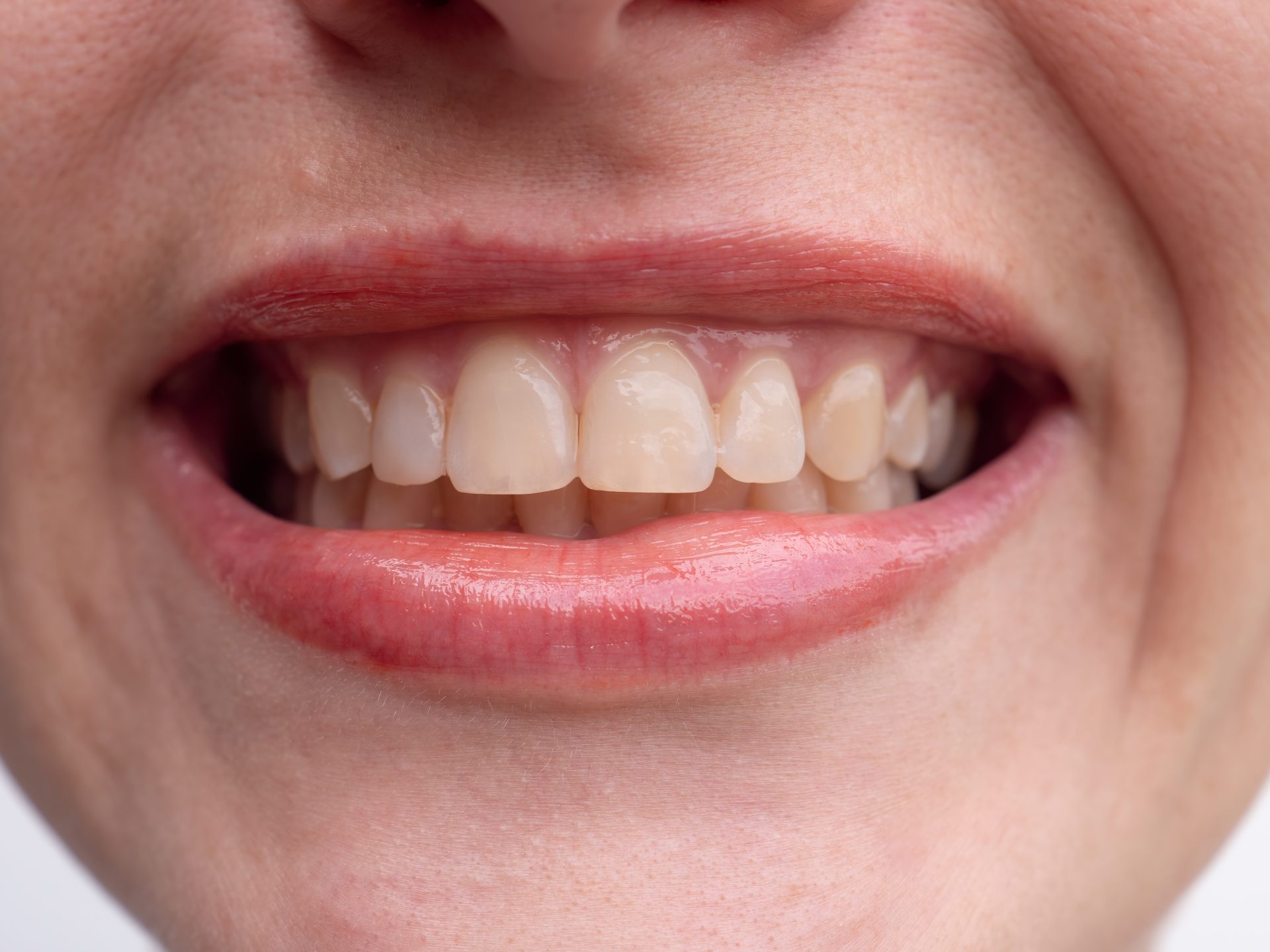

Noticing a white spot on one or more teeth can be confusing. Some people assume the area is simply a cosmetic difference in tooth color, while others worry it automatically means a cavity. The truth is that white spots can develop for several reasons, and understanding the cause matters before deciding whether treatment is necessary.
In some cases, white spots are an early sign that enamel has begun losing minerals, a process known as demineralization that can occur before a physical cavity forms. When identified early enough, there may be an opportunity to strengthen the affected enamel and reduce the risk of the area progressing into more significant decay.
At Crystal Dental, we believe early diagnosis matters because the sooner enamel changes are understood, the more conservative the treatment options may be. For patients throughout Downtown Los Angeles, Koreatown, and Mid-Wilshire, a professional dental examination can determine whether a white spot represents early enamel damage, a developmental change, or another condition entirely.
White Spots Can Have Several Different Causes
White spots are not a diagnosis by themselves. They are a visual sign that can result from different processes, which is why appearance alone does not always reveal what is happening beneath the surface.
One common cause is enamel demineralization. When acids repeatedly strip minerals from enamel, the area becomes more porous and reflects light differently, creating a chalky or opaque white appearance.
White spots may also come from changes that occurred while the tooth was forming. Certain developmental conditions affect how enamel mineralizes before the tooth erupts, so these spots may have been present for years and may not represent active decay. Other possible causes include fluorosis, previous orthodontic treatment, or plaque accumulation. Because these conditions can look similar, the right treatment depends on understanding why the spot developed in the first place.
A White Spot Lesion Is Not Yet a Cavity
Tooth decay develops gradually. Long before a visible hole forms, acids produced by bacteria begin removing calcium, phosphate, and other minerals from enamel. During this early stage the enamel surface may still be intact, but the area beneath it becomes more porous, changing how light passes through and making the lesion appear whiter than the surrounding tooth. These early areas of demineralization are called white spot lesions, and they often appear near the gumline or in areas where plaque tends to remain.
The important distinction is that an early white spot lesion is different from a fully formed cavity. If the surface has not physically broken down, the area may still be able to regain minerals and stabilize. We explain how this balance of mineral loss and repair works, and when each approach makes sense, in our guides to remineralization therapy versus fillings and how often to visit the dentist to prevent decay, so this article will focus on what white spots themselves mean.
White Spots After Braces Often Develop Around Plaque Retention Areas
White spot lesions are especially common after traditional braces. Brackets and wires create extra surfaces where plaque accumulates and make thorough brushing harder, and if plaque remains around brackets for long periods, repeated acid exposure can strip minerals from the surrounding enamel. Once braces come off, these areas often stand out because the rest of the tooth appears smooth and evenly colored.
Not every post-orthodontic white spot is severe, and some improve with preventive care. Persistent lesions should still be evaluated so the dentist can confirm the enamel remains intact and whether treatment could strengthen or improve the area. Good oral hygiene during orthodontic treatment remains the most effective way to reduce this risk.
Developmental White Spots Are Different From Active Tooth Decay
Not every white area is caused by current mineral loss. Some enamel changes develop while the tooth is forming, long before it enters the mouth. Dental fluorosis is one example: it can occur when developing teeth are exposed to higher fluoride levels in childhood, often appearing as faint white streaks or patches across several teeth.
Other developmental enamel conditions can also create areas that look white, cream colored, or differently textured. These spots may remain stable for years and may not represent active disease. The distinction matters because a developmental white spot should not automatically be treated like an active demineralization lesion. A careful examination determines whether the issue is primarily cosmetic, structural, or related to ongoing decay risk.
Early Diagnosis Can Preserve More Natural Tooth Structure
When a white spot is caused by early demineralization, timing makes a meaningful difference: an intact enamel surface provides more options than a tooth with a physical cavity. Depending on the lesion and the patient’s cavity risk, the dentist may recommend improved plaque control, fluoride therapy, dietary changes, or other strategies that support remineralization.
For some eligible early lesions, newer treatments such as Curodont may also be considered as part of a natural tooth healing approach. Curodont is designed to support remineralization within certain noncavitated enamel lesions. It is not appropriate for every white spot or every cavity, which is why professional evaluation is essential before recommending treatment. The goal is not simply to make the white area disappear. The priority is determining whether the enamel is healthy, stable, and protected from further breakdown.
Treatment Depends on the Cause and Condition of the Enamel
Because white spots have different causes, no single treatment fits every patient. If the area represents active early demineralization, the priority is usually stopping further mineral loss and creating conditions that support enamel repair through fluoride, home care changes, dietary adjustments, saliva management, or remineralization therapy when appropriate.
If the spot is developmental and the tooth is otherwise healthy, treatment may be primarily cosmetic. Depending on appearance and severity, cosmetic dentistry options may include enamel microabrasion, resin infiltration, whitening strategies, or bonding. And if the enamel has already broken down into a physical cavity, preventive therapy alone may no longer be enough, and a filling or another restorative treatment may be recommended to protect the tooth. The correct treatment begins with an accurate diagnosis rather than assuming all white spots mean the same thing.
Early Treatment Usually Costs Less Than Waiting
There is also a financial reason not to ignore white spots. Preventive and remineralization focused care for an early lesion generally costs far less than the filling, crown, or cosmetic correction that may become necessary once enamel breaks down. Many insurance plans cover the examinations and preventive treatments involved, while restorative and cosmetic work typically carries higher out of pocket costs.
If you are unsure what your plan covers, or you do not have dental insurance, our Payment Options page explains the insurance plans Crystal Dental accepts and the financing available, so cost does not have to delay an evaluation.
Daily Habits Can Help Protect Vulnerable Enamel
Patients with early enamel changes can reduce future risk by creating a healthier oral environment. Consistent brushing with fluoride toothpaste and cleaning between the teeth reduce plaque and the bacteria responsible for acid production. Dietary habits matter equally: frequently sipping sugary drinks or snacking throughout the day exposes teeth to repeated acid attacks, so reducing how often teeth meet sugar can be as important as reducing the total amount.
Saliva also protects enamel by neutralizing acids and returning minerals, so patients with dry mouth may need extra preventive guidance. Regular examinations then allow the dentist to monitor vulnerable areas and confirm whether a white spot is staying stable, improving, or progressing.
Frequently Asked Questions About White Spots on Teeth
Do white spots always mean I have a cavity?
No. White spots can result from early demineralization, fluorosis, developmental enamel changes, or other causes. A dental examination is the best way to determine whether the area represents active tooth decay.
Can white spots on teeth go away naturally?
Some early demineralization may become less noticeable as the enamel remineralizes, but the appearance does not always disappear completely. Treatment depends on the underlying cause and whether the enamel remains structurally intact.
Can white spots turn into cavities?
If a white spot is caused by active enamel demineralization and the underlying risk factors are not addressed, the lesion can progress. Continued mineral loss may eventually cause the enamel surface to break down and form a physical cavity.
Are white spots after braces permanent?
Not necessarily. Some post-orthodontic white spots may improve with preventive treatment, remineralization, or cosmetic procedures. The appropriate approach depends on the depth and condition of the enamel.
Can Curodont treat white spots on teeth?
Curodont may be considered for certain early, noncavitated enamel lesions, but not every white spot is an appropriate candidate. A dentist must first determine whether the spot represents active demineralization and whether the enamel surface is suitable for treatment.
Understanding White Spots Is the First Step Toward Protecting Your Enamel
White spots can be harmless developmental changes, cosmetic concerns, or early signs that enamel is losing minerals. Because the causes differ, appearance alone cannot determine whether treatment is necessary, and when a spot reflects early demineralization, catching it before the surface breaks down creates opportunities for more conservative care.
At Crystal Dental, we take a personalized approach to evaluating enamel changes and determining whether preventive, remineralization, restorative, or cosmetic treatment is appropriate for patients throughout Downtown Los Angeles, Koreatown, and Mid-Wilshire. If you have noticed white spots on your teeth, schedule an examination at our Figueroa Street or 5th Street office. A careful evaluation can identify the cause, explain your options, and find the most conservative way to protect your smile.