
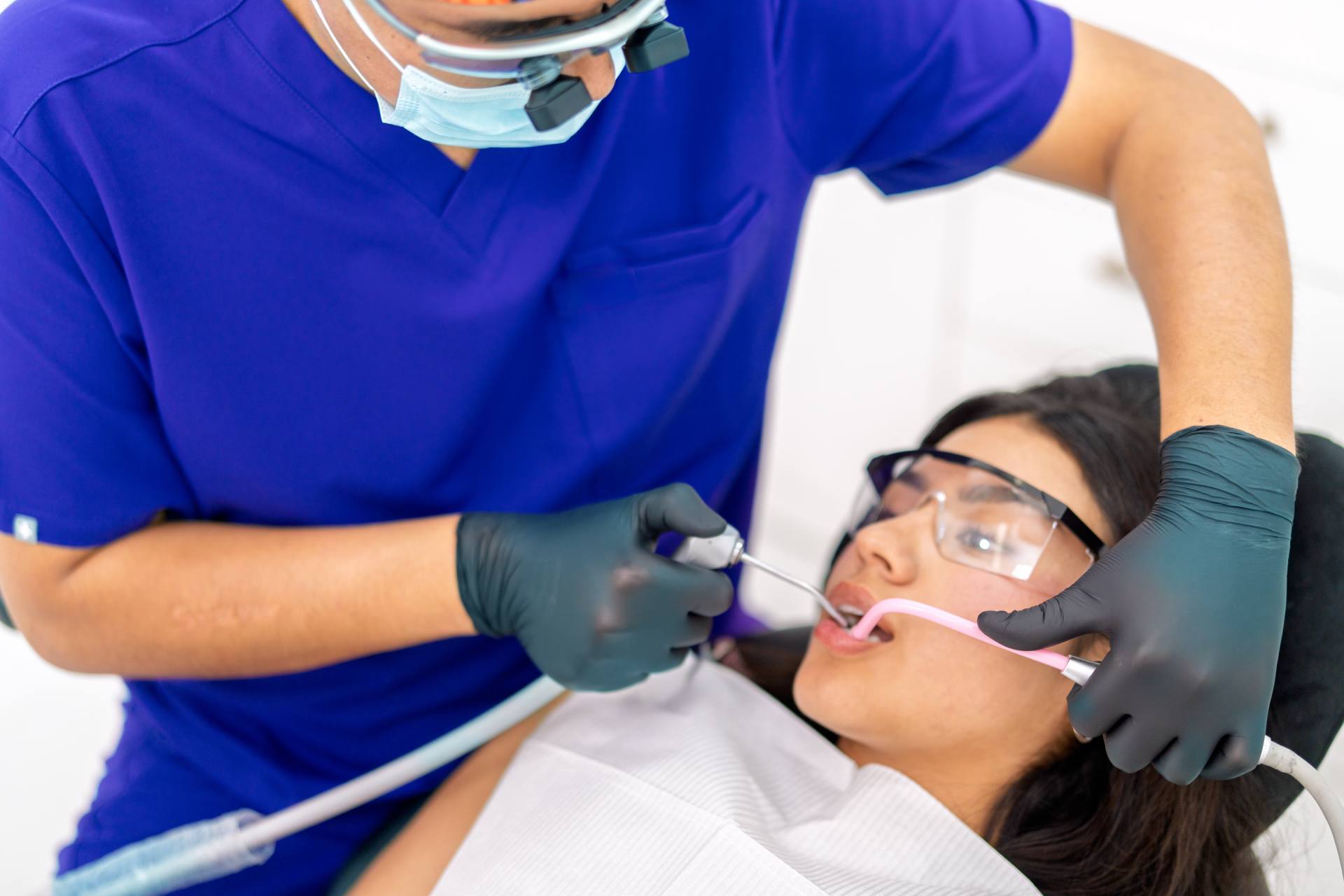

For many people, the idea of cavity treatment immediately brings to mind a familiar sequence of events: a dental exam, a diagnosis, local anesthesia, drilling, and a filling. While traditional fillings remain an important part of modern dentistry, they are no longer the only option in every situation. Advances in preventive and minimally invasive dentistry have created new opportunities to address tooth decay earlier, often before a cavity fully develops.
At Crystal Dental, we believe the best dentistry is often the dentistry that preserves as much of your natural tooth structure as possible. Rather than waiting until decay progresses and requires restorative treatment, our focus is on early detection, prevention, and conservative intervention whenever appropriate. For patients throughout Los Angeles who are interested in protecting their natural teeth and avoiding unnecessary procedures, understanding non-invasive cavity treatment options can be an important step toward long-term oral health.
Understanding How Cavities Develop
One of the biggest misconceptions about cavities is that they appear suddenly. In reality, tooth decay is a gradual process that often develops over months or even years. It begins when bacteria in the mouth interact with sugars and carbohydrates, producing acids that slowly weaken the enamel.
During the earliest stages of decay, the tooth surface may appear completely normal to the patient. There may be no pain, no sensitivity, and no visible signs of damage. However, microscopic mineral loss may already be occurring beneath the surface. Dentists often refer to these early changes as demineralization or white spot lesions.
This early stage represents a critical window of opportunity. When identified quickly, there may be options to strengthen and stabilize the enamel before a cavity forms. Once decay progresses deeper into the tooth and creates structural damage, more traditional restorative treatment often becomes necessary.
Why Early Detection Changes Everything
When it comes to non-invasive cavity treatment, timing is often the most important factor. The earlier decay is identified, the more treatment options may be available.
At Crystal Dental, routine dental exams play a key role in identifying early changes before they become more serious. Modern diagnostic tools, including digital X-rays and enhanced visual examinations, allow our team to detect subtle signs of enamel weakening that patients may not even notice.
Many people assume that if they are not experiencing pain, their teeth must be healthy. Unfortunately, tooth decay can advance significantly before symptoms appear. By the time discomfort develops, the decay may have already progressed beyond the point where conservative treatment is possible. This is why regular preventive visits remain one of the most valuable investments patients can make in their oral health.
What Is Non-Invasive Cavity Treatment?
Non-invasive cavity treatment focuses on preserving natural tooth structure rather than removing it. Instead of drilling into the tooth and placing a restoration, the goal is to support the tooth’s natural defenses and strengthen weakened enamel before irreversible damage occurs.
This approach is most effective when decay is caught in its earliest stages. Rather than viewing every area of early decay as something that immediately requires a filling, modern preventive dentistry recognizes that some cases can be managed through remineralization and conservative treatment strategies.
For many patients, this approach feels less intimidating and more aligned with a preventive philosophy of care. It emphasizes maintaining healthy tooth structure rather than simply repairing damage after it has occurred.
Remineralization Therapy and Enamel Support
One of the most important concepts in non-invasive dentistry is remineralization. Teeth naturally gain and lose minerals throughout the day. Saliva plays a major role in this process by delivering calcium, phosphate, and other minerals that help strengthen enamel.
Problems arise when acid exposure exceeds the body’s ability to repair itself. Frequent snacking, sugary drinks, acidic foods, dry mouth, and poor oral hygiene can all contribute to mineral loss. Over time, weakened enamel becomes more susceptible to decay.
Remineralization therapies are designed to support the body’s natural repair mechanisms. Depending on the patient’s needs, treatment may include professional fluoride applications, prescription-strength products, enamel-supporting agents, and personalized home care recommendations. The goal is to help strengthen vulnerable areas before a cavity fully develops.
This approach is particularly appealing because it focuses on preservation. Rather than removing healthy tooth structure, it supports the tooth’s natural ability to maintain strength and resilience.
Curodont and New Advances in Early Decay Treatment
One of the most exciting developments in modern dentistry is the emergence of biomimetic treatments that work with the body’s natural processes. Among these innovations is Curodont, an advanced treatment designed specifically for early-stage enamel lesions.
Curodont is applied directly to areas of weakened enamel and works by supporting mineral regeneration within the tooth structure. Instead of drilling into the tooth, the treatment encourages the rebuilding of enamel from within, helping stabilize early damage before it progresses.
For eligible patients, Curodont offers several advantages. The treatment is comfortable, requires no anesthesia, and can typically be completed quickly during a routine visit. Many patients appreciate that it aligns with a more conservative approach to dental care and focuses on preserving natural tooth structure whenever possible.
While not every patient or every area of decay qualifies for Curodont treatment, it represents an important advancement in preventive dentistry and demonstrates how modern dental care continues to evolve beyond traditional treatment methods.
The Role of Preventive Dentistry
Although advanced treatments receive significant attention, prevention remains the most effective strategy for avoiding cavities. In many cases, the best non-invasive treatment is preventing decay from developing in the first place.
Preventive dentistry includes routine exams, professional cleanings, fluoride support, dietary counseling, and personalized recommendations based on each patient’s risk factors. These services may seem simple, but they can have a profound impact on long-term oral health.
Patients who attend regular dental visits often benefit from earlier detection, fewer dental emergencies, and less need for extensive restorative work. Preventive care allows small concerns to be addressed before they become larger problems, helping patients save time, money, and discomfort in the future.
Lifestyle Factors That Affect Tooth Decay
Many everyday habits can influence the development of cavities. Understanding these factors can help patients make more informed decisions about their oral health.
Frequent consumption of sugary beverages remains one of the most common contributors to tooth decay. Soft drinks, sports drinks, energy drinks, and sweetened coffee beverages expose teeth to repeated acid attacks throughout the day. Even healthy-seeming options such as fruit juices can contribute to enamel erosion when consumed frequently.
Dry mouth is another major risk factor. Saliva plays a critical role in protecting teeth by neutralizing acids and supporting remineralization. Patients who experience dry mouth due to medications, medical conditions, or dehydration may face an increased risk of decay.
Stress-related habits such as teeth grinding can also contribute to enamel wear, making teeth more vulnerable over time. Addressing these underlying factors is often an important part of a comprehensive preventive care plan.
When Fillings Are Still the Best Option
While non-invasive treatment can be highly effective in appropriate situations, it is important to understand its limitations. Once decay has progressed beyond the enamel and created a true cavity, a filling may still be necessary to restore the tooth and prevent further damage.
Modern fillings are far more advanced than they were in the past. Today’s tooth-colored materials blend naturally with surrounding teeth and allow dentists to preserve more healthy tooth structure than older techniques.
At Crystal Dental, our philosophy is simple. We always aim to choose the least invasive treatment that will effectively address the problem while protecting your long-term oral health. Sometimes that means monitoring an area. Sometimes it means recommending remineralization. And sometimes a filling is the best option. The key is making decisions based on the specific needs of each patient.
A More Conservative Approach to Dental Care
Many Los Angeles patients are looking for healthcare solutions that prioritize wellness, prevention, and preservation. Dentistry is no exception. Patients increasingly want options that help them maintain their natural teeth while avoiding unnecessary treatment whenever possible.
This shift has led to growing interest in minimally invasive dentistry and early intervention strategies. By focusing on prevention and identifying concerns before they become severe, dentists can often provide more conservative care and better long-term outcomes.
At Crystal Dental, this philosophy influences every aspect of treatment planning. From routine preventive care to advanced therapies such as Curodont, our goal is always to preserve healthy tooth structure, support long-term oral health, and provide patients with treatment options that align with their goals and comfort level.
Frequently Asked Questions
Can cavities be treated without drilling?
In some cases, yes. If decay is detected early enough and has not progressed into a true cavity, non-invasive treatments such as remineralization therapy or Curodont may be appropriate.
What is remineralization?
Remineralization is the process of restoring minerals such as calcium and phosphate to weakened enamel. This can help strengthen teeth and slow or stop early-stage decay.
Is Curodont a replacement for fillings?
No. Curodont is designed for specific cases involving early enamel lesions. Once decay has progressed beyond the enamel and created structural damage, a filling may still be necessary.
How do I know if I have early tooth decay?
Early tooth decay often has no symptoms. Regular dental exams and X-rays are the best way to identify early changes before they become larger problems.
Are non-invasive treatments covered by insurance?
Coverage varies depending on the treatment and your specific dental plan. Our team can help review your benefits and discuss available options.
How often should I have a dental exam?
Most patients benefit from routine exams and cleanings every six months, although some individuals may require more frequent visits based on their oral health needs.
Explore Your Options at Crystal Dental
Non-invasive cavity treatment is not about eliminating traditional dentistry. It is about expanding the options available to patients and taking advantage of modern advances that allow problems to be addressed earlier and more conservatively.
At Crystal Dental, we are committed to helping patients throughout Los Angeles protect their natural teeth through prevention, early detection, and minimally invasive treatment whenever appropriate. Whether you are concerned about early decay, interested in learning more about remineralization therapies, or wondering if treatments like Curodont may be right for you, our team is here to help.
Schedule an appointment at one of our Los Angeles locations on Figueroa St or 5th St today and discover how a proactive, prevention-focused approach to dentistry can help you maintain a healthier smile while preserving your natural teeth for years to come.